



The Full Story:
Leadership Reshuffle in Lagos Assembly:
- Mojisola Meranda resigns as Speaker, becomes Deputy Speaker.
- Mojeed Fatai steps down as Deputy Speaker, elected Chief Whip.
- Setonji David re-elected as Deputy Chief Whip.
- Adewale Temitope replaces Noheem Adams as Majority Leader.

In an unprecedented turn of events, the Lagos State House of Assembly experienced a dramatic yet peaceful leadership transition, witnessing two speakers presiding within hours. This shift, occurring yesterday, brought an end to a prolonged 49-day standoff that had disrupted legislative proceedings since January 13.
The crisis, which saw the resignation of Mojisola Meranda and the reinstatement of Mudashiru Obasa, underscored the enduring dominance of the All Progressives Congress (APC) over legislative independence. The resolution of the impasse came through the intervention of top APC leaders, quelling the political turmoil that had gripped the state.
Despite initial expectations of a tense showdown, the legislative session proceeded with relative calm. This outcome surprised many, given the entrenched positions of the rival factions—Obasa and Meranda—and their respective supporters in the days leading up to the session.
On February 27, Obasa made his return to the assembly complex, 45 days after his removal. His presence was met with resistance from Meranda’s supporters, who reaffirmed their allegiance to her leadership and rejected Obasa’s claim to the speakership.
While tensions were palpable, the atmosphere on February 27 did not descend into the chaos witnessed on February 17. Nevertheless, there was a significant security presence, including law enforcement officers, political thugs, and party loyalists, ensuring order within the assembly complex.
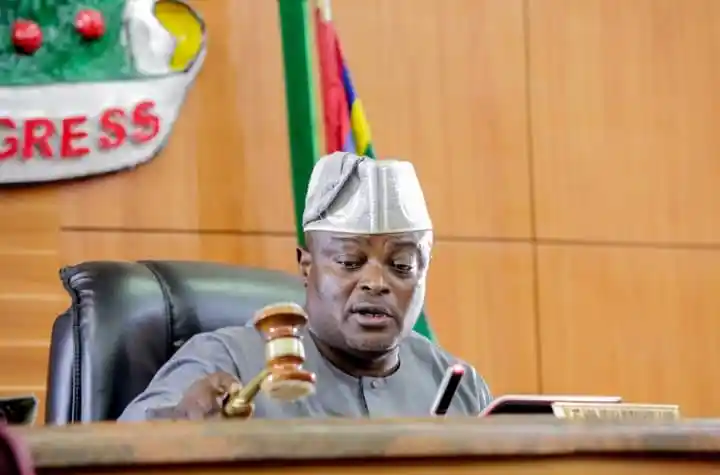
In a bold move, Obasa declared himself speaker that same day and presided over a plenary session attended by only four lawmakers. The dispute then transitioned to the courtroom on February 28, as Obasa filed a legal challenge against his removal.
As legal battles loomed, counter-announcements regarding assembly workers’ resumption on March 3 or remote work fueled expectations of further contention. However, the resolution reached yesterday altered the anticipated trajectory of the conflict.
Before the plenary session, the Lagos State APC leadership, led by Chairman Pastor Cornelius Ojelade and Deputy Chairman Prince Michael Mayegun, engaged lawmakers in separate and joint meetings. These discussions followed a Sunday meeting with the Governance Advisory Council (GAC), where both factions reached a compromise.
A critical aspect of the agreement was Obasa’s concession in allowing the replacement of his close ally, former Majority Leader Noheem Adams, with Adewale Temitope.
Ahead of the session, lawmakers gathered at the assembly garden park, with Meranda and Obasa both present. This pre-sitting meeting likely aimed at addressing lingering tensions and finalizing details of the agreement.
During the plenary, Meranda officially resigned from the speakership. Lawmakers accepted her decision with reluctance, offering individual commendations for her leadership over the past 49 days.
Additionally, several principal officers resigned, including Sanni Okanlawon as Deputy Chief Whip and Setonji David as Chief Whip, further cementing the leadership restructuring.
Following these resignations, Kehinde Joseph nominated Setonji David, who was subsequently re-elected as Deputy Chief Whip. Meanwhile, Richard Kasunmu resumed his position as Deputy Majority Leader.
In a significant shift, Deputy Speaker Mojeed Fatai resigned and was later elected Chief Whip, while Meranda was elected as the new Deputy Speaker, signaling the formal end of her tenure as Speaker.
The transition reinforced the APC’s stronghold over the assembly. In a motion under Matters of Public Importance, Aro Moshood praised Meranda’s leadership, acknowledging her dedication and commitment to the assembly’s affairs.
Desmond Elliot, attempting to contribute, was overcome with emotion and could not continue. Similarly, Abiodun Tobun of Epe Constituency 1 commended Meranda’s character and service.
In his remarks after his reinstatement, Obasa expressed gratitude to his colleagues and party leaders, vowing to work collaboratively and foster unity within the assembly.
The lawmakers collectively resolved to maintain peace and harmony in their legislative activities moving forward. Present at the session were key APC figures, including Adeola Jokonba, Samuel Akiode, Mogaji Ola Aina Lawal, Sabur Oluwa, and Olaide Ajayi.
Meranda’s tenure had commenced on January 13, 2025, following Obasa’s impeachment. The motion for impeachment, introduced by Femi Saheed, cited financial misconduct, abuse of office, and authoritarian leadership.
The motion received overwhelming support, with 32 out of 40 lawmakers voting for Obasa’s removal, marking a significant shift in the assembly’s power structure at the time.
As the events of yesterday unfolded, assembly staff watched with a mix of awe and resignation. Many bore solemn expressions, particularly as Meranda stepped down and Obasa reclaimed his position.
Governor Babajide Sanwo-Olu had reportedly intervened before the session, persuading anti-Obasa lawmakers to accept the resolution. Though they ultimately conceded, they voiced concerns about Obasa’s leadership style, describing it as overly authoritative.
Obasa’s return, however, came with conditions that may play out in the coming days. The political implications of the settlement remain subject to further developments.
Reacting to the transition, Labour Party’s 2023 gubernatorial candidate, Gbadebo Rhodes-Vivour, criticized the unfolding events, denouncing them as an illustration of “state capture.”
Rhodes-Vivour lamented that the assembly’s autonomy had been undermined, attributing the turmoil to power struggles and entrenched godfatherism in Lagos politics.
He contended that the reinstatement of Obasa and Meranda’s resignation reflected a broader issue of political control, accusing certain figures of prioritizing personal dominance over democratic principles.
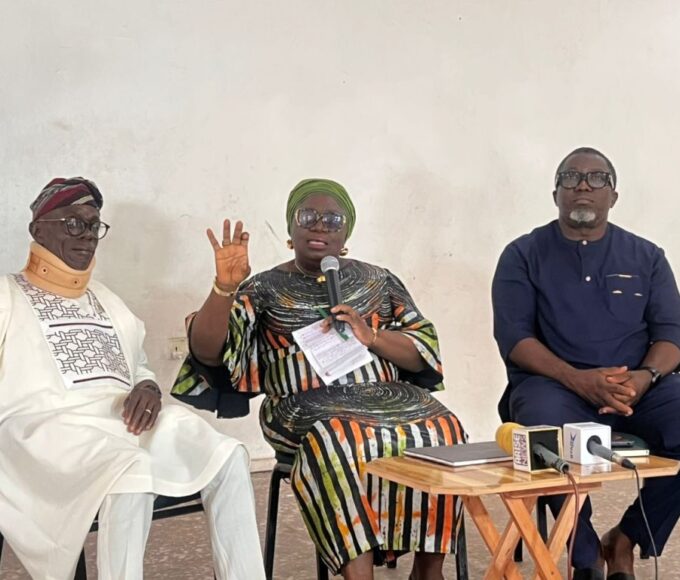
Echoing similar sentiments, former PDP Deputy National Chairman Bode George, ex-State Chairman Tunji Shelle, and Dr. Olatokunbo Pearse called for urgent reforms to “Save the Soul of Lagos.”
George argued that the APC’s internal manipulations had stifled legislative independence, accusing Tinubu and his allies of orchestrating Obasa’s reinstatement for ulterior motives.
He questioned why external forces should dictate the assembly’s leadership decisions, warning that continued interference could threaten democracy and national stability.
Shelle described the development as a political siege on Lagos, urging residents to resist the Governance Advisory Council (GAC), which he deemed an impediment to democratic progress.
He criticized the lawmakers who had initially removed Obasa, accusing them of complicity in the financial mismanagement they had condemned.
Similarly, Pearse argued that democracy had long been eroded in Lagos, with the latest events serving as a final blow to the state’s legislative integrity.
In response, the Lagos APC defended its role in resolving the conflict. Party spokesman Oluseye Oladejo emphasized that the APC had refrained from interfering unnecessarily, only stepping in to mediate when lawmakers sought its guidance.
Oladejo praised the assembly members for prioritizing stability over personal interests, asserting that the resolution strengthened Lagos politics.
He dismissed opposition criticisms as premature celebrations of the assembly’s crisis, urging them to temper their rhetoric. According to him, the resolution reaffirmed the APC’s sophisticated approach to governance.
Ultimately, the resolution of the leadership crisis has redefined the balance of power within the Lagos State House of Assembly, leaving lasting political ramifications that may unfold in the coming weeks.




Leave a comment