



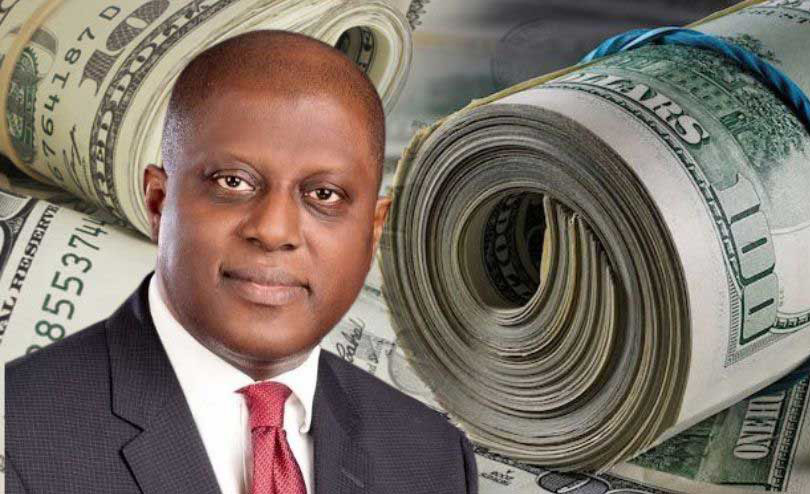
Nigeria’s foreign exchange reserves soared from $37.195 billion on July 1, 2025, to $40.159 billion by August 7, according to data released today by the Central Bank of Nigeria (CBN). Back when President Bola Ahmed Tinubu took office on May 29, 2023, reserves were at $32 billion, with much of it encumbered—a sign of the constrained fiscal footing he inherited.

Key Policy Highlights and Economic Gains:
-
Balance of Payments Turnaround: In 2024, Nigeria posted a balance of payments surplus of $6.83 billion, a dramatic reversal from deficits in 2022 and 2023. The CBN credited reforms—like subsidy removals, FX liberalization, and trade-friendly tax overhauls—for this turnaround.Reuters
-
Growth Momentum Gathers Steam: Nigeria’s GDP grew by 3.46% in Q3 2024, up from 3.19% in the prior quarter. Sectors such as agriculture, ICT, trade, and manufacturing contributed significantly—fueling Tinubu’s ambition to transform Nigeria into a $1 trillion economy by 2030.Punch Nigerian NewspapersFinancial Times

-
Macro Stability in Focus: Experts note that key reforms like the removal of fuel subsidies, unification of exchange rates, and cessation of indiscriminate money printing have stabilized inflationary pressures and narrowed the black-market forex premium. Investors are regaining confidence, and oil production has rebounded to around 1.5 million barrels per day.Financial Times
-
Reforms Paying Off: The World Bank highlighted a declining fiscal deficit—from 6.2% to 4.4% of GDP—thanks to aggressive fiscal reforms. These moves have fortified the services sector, stabilized oil-related revenues, and restored credibility in Nigeria’s FX market.Reddit
-
Social Supports and Jobs: The Tinubu administration funded over ₦570 billion in livelihood support across states, empowered 600,000 nano-businesses, created 240,000 jobs through MSMEs, and introduced a ₦70,000 national minimum wage. Tariffs on key staples and essential meds were lifted temporarily to ease cost pressures.THISDAYLIVE
-
Agriculture & Food Security: The Agriculture Ministry was rebranded to include Food Security and launched targeted policies—like import duty waivers, mechanized equipment distribution (10,000 tractors), and farmer support schemes—to boost output and nutrition access.Wikipedia




Presidential spokesman Bayo Onanuga hailed the strengthened reserve level, robust recovery signs, and multi-sector progress as “unequivocal evidence that the economy is in capable hands.”


Leave a comment