




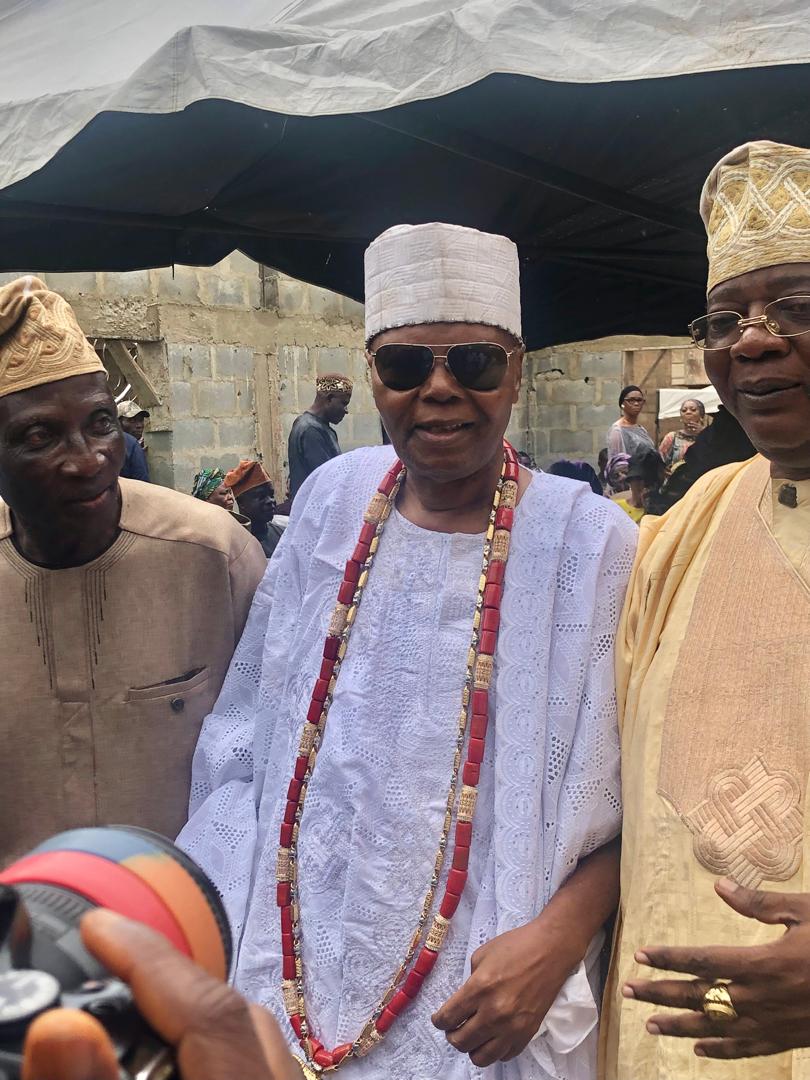
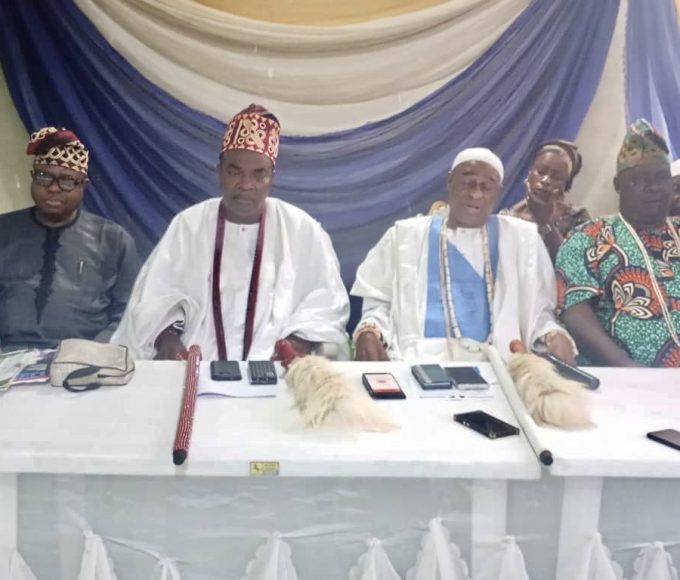
The Fusengbuwa Ruling House of Ijebu-Ode, one of the four ruling families of Ijebuland, took a significant step on Sunday in reaffirming unity and tradition as they gathered at Ile-Nla Agusenbi for ancestral prayers. The event, held in the wake of the passing of Oba Sikiru Kayode Adetona, the Awujale of Ijebuland from the Ogbagba Anikilaya Ruling House, was both solemn and symbolic — a reminder of the weight of history and the responsibility of succession.
For the Fusengbuwa family, which is next in line to produce the Awujale, the gathering was more than a ritual. It was a public declaration of readiness and a call for togetherness at a time when the lineage prepares for one of the most important transitions in Ijebu history.
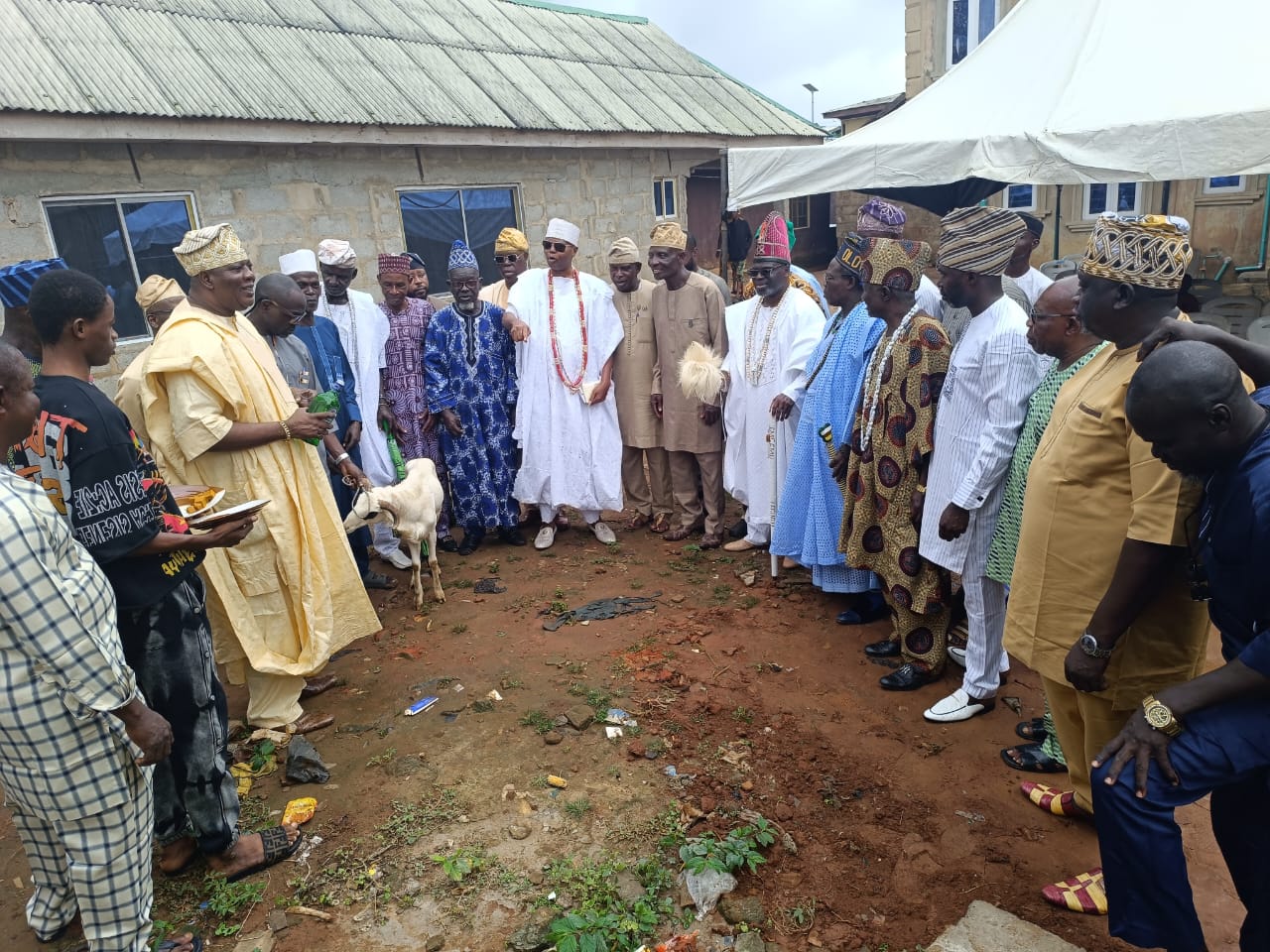
One of the most striking aspects of the day was the return of family members who had drifted away from the fold over the years — whether through the adoption of chieftaincy titles in other towns, personal disagreements, or even indifference to their royal roots.
They were received back into the family through the Ijebu rite of Ikaro, a deeply symbolic reconciliation ceremony. In Ijebu tradition, Ikaro is the pathway for those who had disengaged themselves from their family — often due to quarrels, misunderstandings, or neglect — to apologise and seek reintegration.

The rite requires returnees to present items such as kolanut, orogbo (bitter kola), gin, biscuits, soft drinks, and other tokens as a gesture of humility and reconciliation. These are handed over to the elders, who, in turn, invoke blessings and formally welcome them back into the fold.
For the Fusengbuwa Ruling House, the sight of estranged members returning with their ikaros was a symbolic renewal of unity. It was a reminder that, despite personal and political differences, the family must come together when the future of Ijebuland is at stake.

The reception was led by the family’s Olori-Ebi, Prince Adedokun Oreagba, who, alongside other senior figures, presided over the rituals. The gathering also drew an impressive list of dignitaries and prominent personalities within Ijebuland. Among them were Alhaji Prince Fathai Arolowo, Chairman of Aron Construction Limited; HRH Oba Tajudeen Bello, the Enisemu Leguru of Ijebuland and Olowa of Ijebu-Ode; and Chief Razaq Adeleye Osimodi, Abore of Awujale.

Other notable attendees included Prince Adeleke Adeyemi, General Secretary of the four ruling houses and Secretary to the Fusengbuwa family; Prince Folu Ogidan Aderibigbe; Prince Olaseni Samsideen Ottun; Omo-Oba Toibu Mabaweje; and representatives from the other ruling houses.

A Call for Unity
In his address, Chief Ajidagba, Olori-Ebi of the Fusengbuwa lineage, underscored the importance of unity and spiritual grounding. He reminded the gathering that Ile-Nla Agusenbi has historically been a seat of royal authority, producing no fewer than 25 Awujales in the past.
“Our forefathers laid down the path, and it is our duty to follow it with respect and discipline,” he said. “Today’s prayers are both an act of remembrance and a request for guidance. As we mourn the passing of Oba Sikiru Adetona, we must also prepare ourselves spiritually and structurally for the responsibility ahead. When the mourning period ends, the process of succession will begin in earnest.”
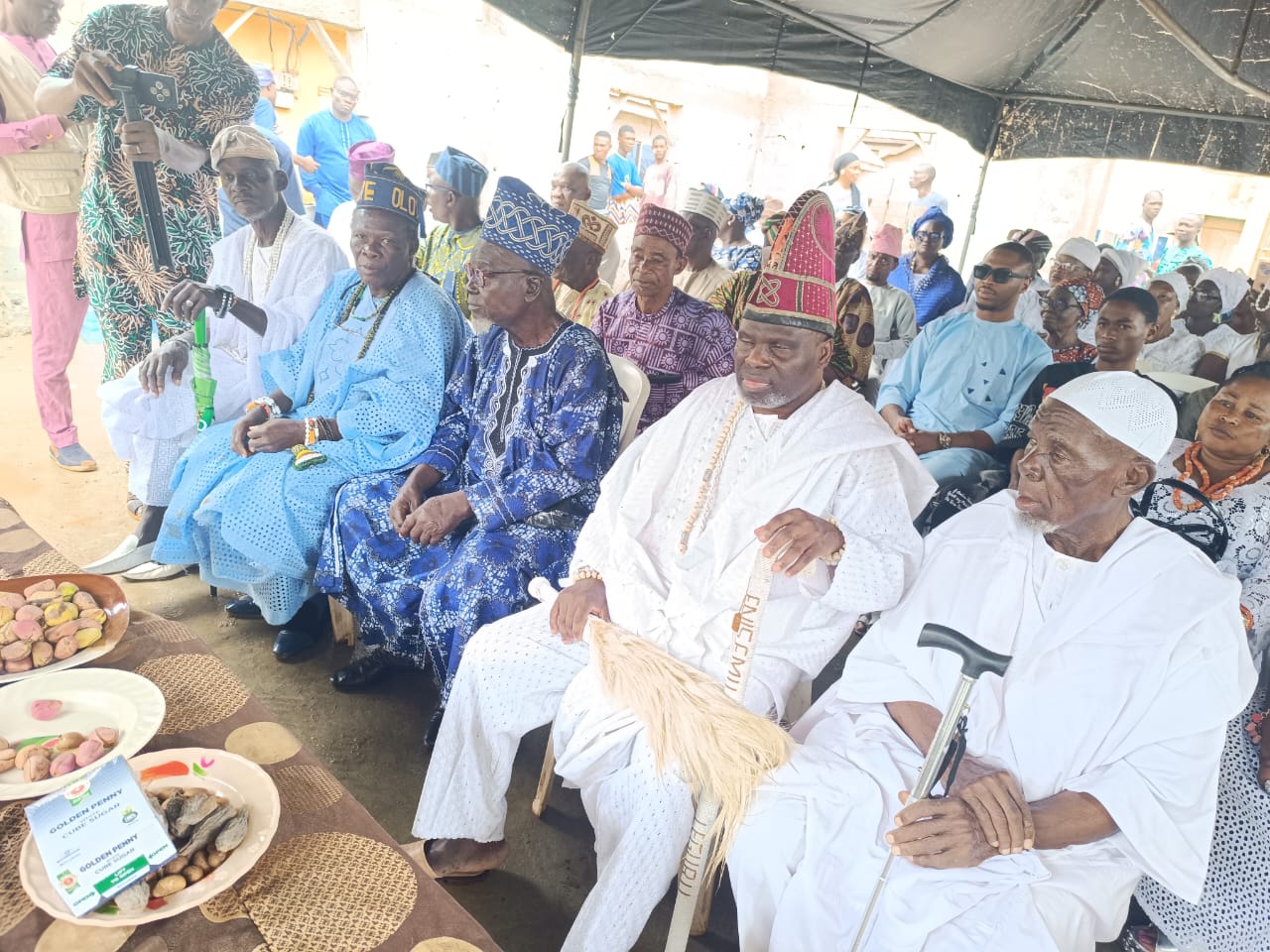
Ajidagba revealed that over 200 princes and princesses were present with their ikaros, a sign of their renewed allegiance to the family. He further clarified that the Fusengbuwa lineage, which is made up of eight family units, had already affirmed his selection as Olori-Ebi — a recognition that had been duly acknowledged by the late Awujale himself.
“The late Awujale, despite his greatness, altered some aspects of Ijebu tradition,” Ajidagba declared. “We are now determined to restore order and fairness. Under my watch, the process of selecting the next Awujale will be transparent, guided by ancestral customs, and devoid of external manipulation.”
Adding his voice, Otunba Fathai Arolowo acknowledged the challenges facing the Fusengbuwa family, noting that both internal and external forces were working against their unity.
“I am very much aware of the struggles confronting this family,” he said. “There are people who do not want us to remain united. I have followed the details of the divisions closely, but my concern has always been the unity of Fusengbuwa and the emergence of the best candidate for the Awujale’s stool.”
He dismissed rumours suggesting he had obtained a form to show interest in the throne, describing such claims as baseless.
“My interest is not in personal ambition but in ensuring that the right person — someone capable, credible, and connected — emerges to lead Ijebuland into the future,” Arolowo clarified. “I stand by my family, and I stand by our Olori-Ebi.”
Other speakers echoed the theme of unity and responsibility. Prince Folu Ogidan Aderibigbe described the gathering as both a cultural reaffirmation and an “awakening session,” designed to remind members of their heritage and obligations.
“This is not just about tradition for its own sake,” he said. “It is about preparing to present to Ijebuland a worthy son — a leader who combines intellect, influence, and vision.”
Similarly, Prince Olaseni Samsideen Ottun assured the family of his confidence in their ability to remain coordinated. He prayed for divine wisdom and strength for the elders as they guide the selection process.
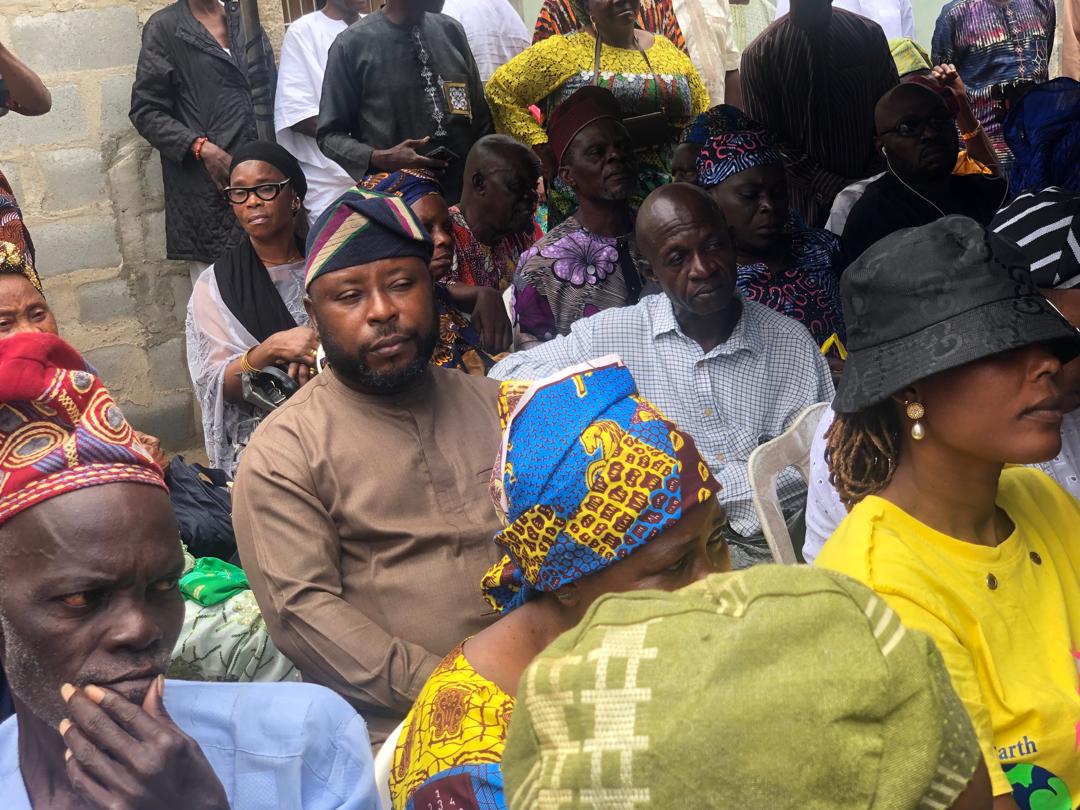
For the Fusengbuwa Ruling House, Sunday’s gathering was more than a ritual of remembrance. It was a declaration of intent — to restore traditions, overcome divisions, and assume the responsibility of producing the next Awujale with dignity and unity.
In Ijebu history, succession has always carried not just political significance but spiritual and cultural weight. With more than two centuries of legacy behind them, the Fusengbuwa family now stands at a defining moment. Their ability to remain united, respect tradition, and resist external interference will determine not only the choice of the next monarch but also the stability of Ijebuland in the years ahead.
Importantly, the Fusengbuwa lineage itself is not without internal complexities. Historically, the family has been split into two factions — the Ajidagba group and the Dr. Hassan group. Both claim to be the authentic representatives of the lineage. The Ajidagba faction insists on its legitimacy, citing legal certification as the basis of its authority, while the Dr. Hassan faction equally lays claim to authenticity. This longstanding division has shaped debates over leadership, making unity even more crucial as succession approaches.
As the family awaits the end of the mourning period for Oba Sikiru Adetona, all eyes are now on Fusengbuwa. The prayers offered at Ile-Nla Agusenbi may well shape the future of Ijebu for generations to come.





Leave a comment