





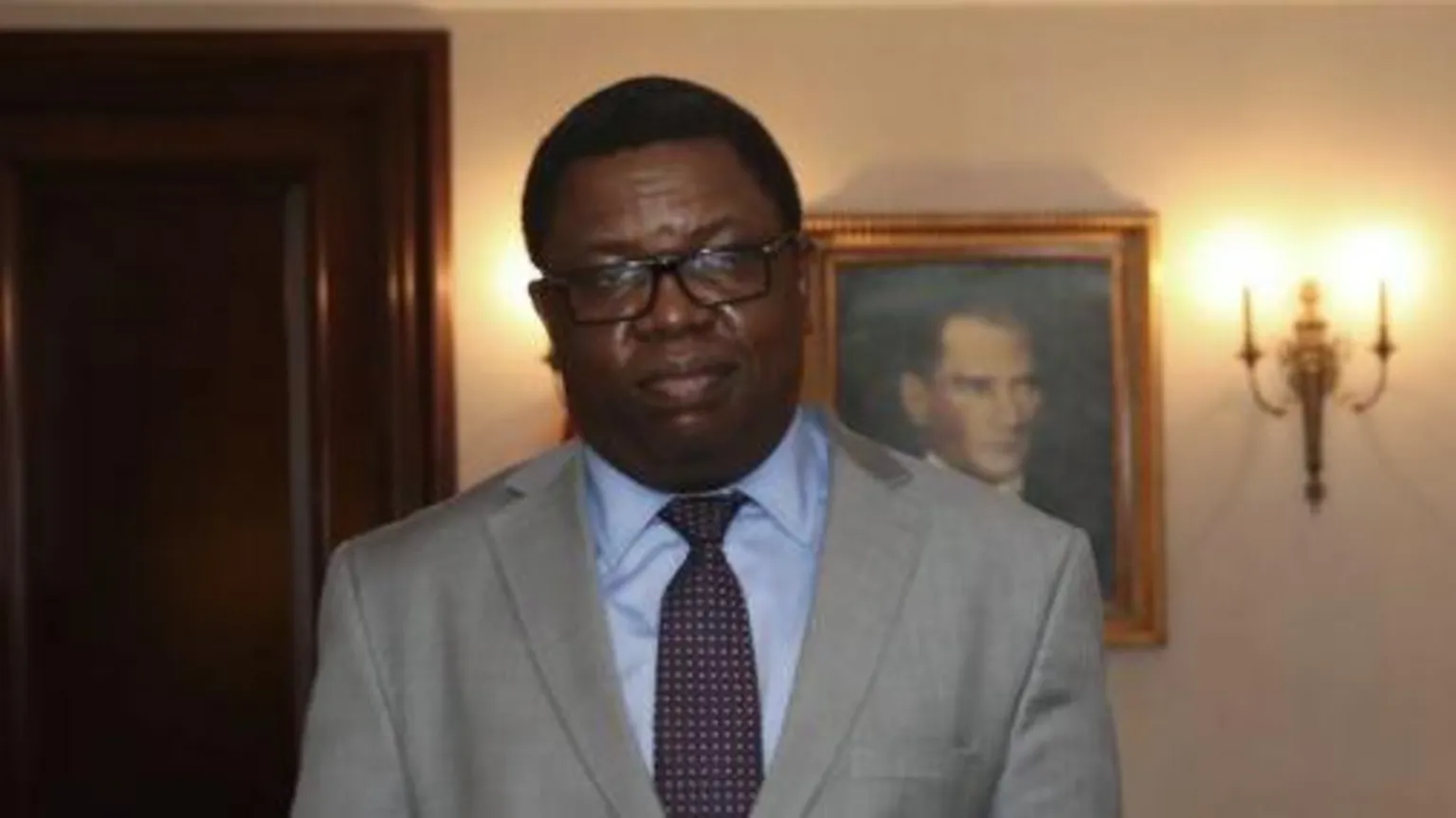
In a ruling that has reignited debate over Zambia’s war on corruption, former Foreign Minister Joseph Malanji—once nicknamed “Bonanza” for his flamboyant generosity—has been sentenced to four years in prison with hard labour. His conviction: acquiring luxury properties and helicopters linked to proceeds of crime.
Malanji, a close ally of late ex-President Edgar Lungu, is the latest in a string of figures from the previous administration to fall under President Hakainde Hichilema’s anti-graft axe. Alongside him, former Treasury Secretary Fredson Yambareceived three years’ imprisonment for authorizing the controversial transfer of $8 million to Zambia’s mission in Turkey—money that was never fully accounted for.

But the case is more than a legal headline—it is a litmus test for Hichilema’s promise to dismantle systemic graft that has long stained Zambia’s political elite. Four years after his election triumph, critics now ask: is this justice served or a strategic purge of political foes?
Magistrate Ireen Wishimanga noted she showed “leniency” to both men, citing their status as first-time offenders. Yet, the optics remain potent: a powerful ex-minister in handcuffs, a government keen to project strength, and an opposition crying foul.
Hichilema’s camp calls it a turning point. His detractors call it selective justice, pointing to allegations of corruption within his own administration that remain untouched. In May, the United States froze $50 million in health sector aid, citing “systematic theft” of medical donations—an accusation that has yet to produce a single prosecution.
The saga unfolds under the shadow of an unresolved chapter: Lungu’s unburied body still lies in limbo in South Africa, a symbol of the bitter standoff between his family and the state over his funeral. The Patriotic Front (PF) accuses Hichilema of weaponizing justice to cripple its legacy.
Whether this is the dawn of genuine accountability or just another chapter in Zambia’s political theatre, one truth remains—the country’s fight against corruption is as much about power as it is about principle.







Leave a comment