

Over a year after the Federal Government removed fuel subsidies as part of a broader economic reform agenda, many Nigerians continue to question the tangible benefits of the policy, especially as living costs soar and poverty deepens across the country.
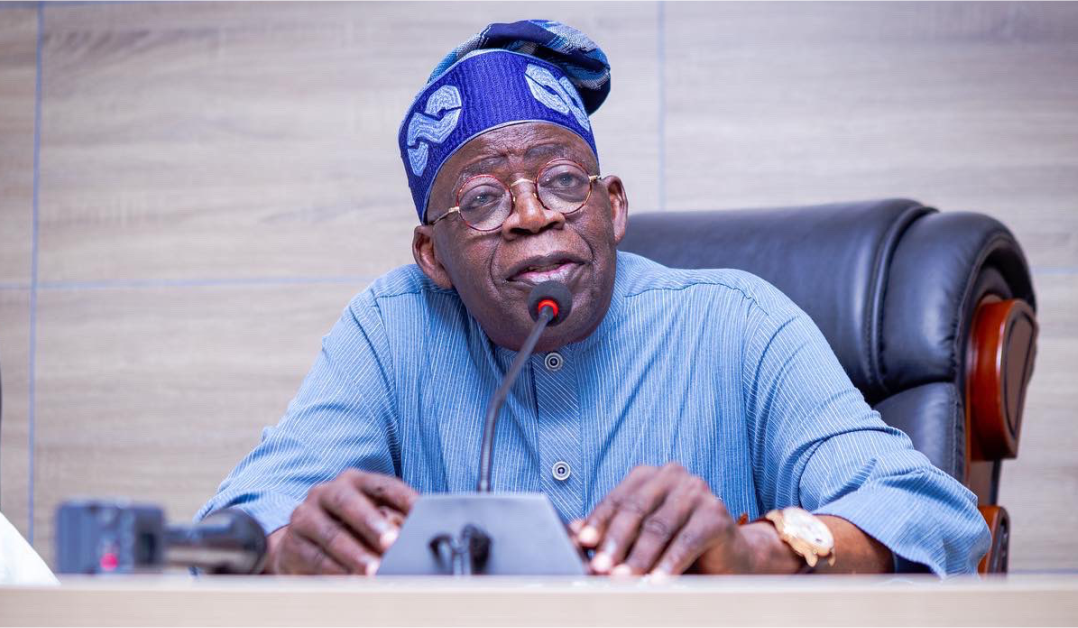
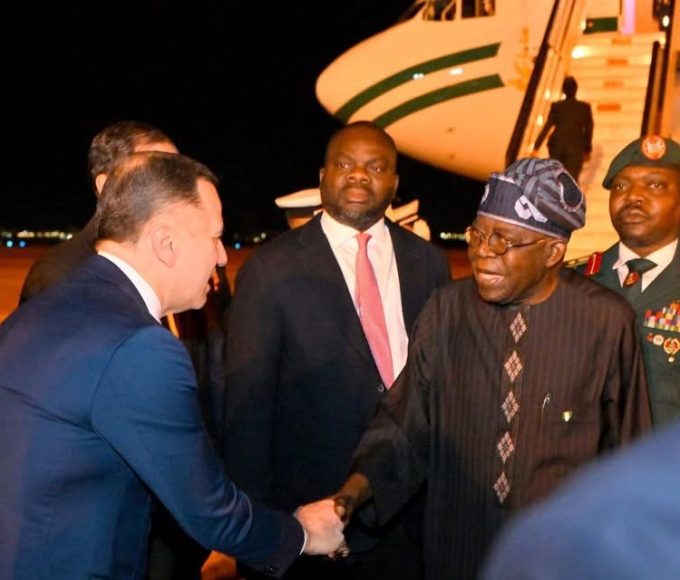
Speaking at the opening of the National Conference on Public Accounts and Fiscal Governance in Abuja, President Bola Ahmed Tinubu reiterated his administration’s commitment to long-term economic transformation, highlighting the strides made in fiscal transparency, tax reform, and diversification of the economy.

“These reforms are designed to widen the tax base by integrating the informal sector, simplify compliance for small and medium-sized enterprises, digitise revenue collection to reduce human interference and eliminate leakages, and harmonise multiple taxes to make doing business easier in Nigeria,” President Tinubu said.
He described the reforms as part of a “governance imperative,” aimed at building a self-sustaining economy no longer reliant solely on oil revenues. He identified agriculture, manufacturing, digital services, renewable energy, mining, and the creative economy as sectors receiving targeted investments.
Yet, across the country, citizens say these reforms have not translated into relief for the average household. Many Nigerians continue to feel the economic aftershocks of the subsidy removal, which led to a significant spike in fuel prices and a ripple effect on food, transportation, and essential goods.
“It’s been over a year, and things keep getting worse,” said Mariam Yusuf, a trader at Mile 12 Market in Lagos. “They said subsidy money will go into infrastructure, but my rent has increased, fuel is over ₦800 per litre in some places, and customers are buying less. Where is the help?”
During the conference, Nasarawa State Governor, Abdullahi Sule, defended the government’s actions, urging Nigerians to visit their states and witness infrastructure development allegedly funded by savings from the removed subsidy. “Come and see what we are doing,” Sule stated, citing road projects and investments in education and health.
However, skepticism remains high. In many communities, basic infrastructure remains poor, and power supply remains erratic. Public perception of government spending remains clouded by a history of corruption and mismanagement. This was reinforced during the conference when Speaker of the House of Representatives, Abbas Tajudeen, revealed that over ₦300 billion flagged by federal audits as missing or mismanaged has yet to be recovered.
“This is unacceptable,” Abbas said in remarks delivered by House Leader Julius Ihonvbere. “Fiscal responsibility cannot thrive where audit queries are routinely ignored without consequence.”
The President, for his part, assured that efforts to ensure transparency are being strengthened through platforms like the Integrated Payroll and Personnel Information System (IPPIS), the Government Integrated Financial Management Information System (GIFMIS), and the Open Treasury Portal, which are intended to make public spending traceable and reduce opportunities for graft.
“There must be accountability,” Tinubu declared. “We must move from opacity to openness, from suspicion to confidence.”
Monetary policy also came under review. President Tinubu praised the Central Bank of Nigeria (CBN) for stabilising the naira and working in tandem with fiscal authorities to curb inflation. “There is better coordination now between the fiscal and monetary side, and we are determined to reduce inflationary pressures by addressing structural bottlenecks, particularly in food supply chains,” he said.
Despite these assurances, ordinary Nigerians say the gap between policy and daily reality remains wide.
“It’s one thing to talk about digital systems and macroeconomics, but we are still buying rice at ₦70,000 a bag,” said Moses Ekene, a civil servant in Abuja. “They removed the subsidy, but we didn’t see the benefit—only the suffering.”
Senate President Godswill Akpabio, represented at the event by Senator Abdul Ningi, called on the Public Accounts Committees (PACs) of the National Assembly to assert their constitutional mandate to ensure transparency and fiscal discipline.
“The PACs are empowered by Sections 80, 81, and 88 of the Constitution to act as watchdogs of public funds,” Akpabio said, lamenting that some government agencies continue to defy legislative summons and avoid scrutiny.
Chairman of the Senate Committee on Public Accounts, Senator Aliyu Wadada, reaffirmed the commitment of the 10th Senate to prudent spending and open budgeting. He also disclosed ongoing efforts to review outdated fiscal laws to bring them in line with current economic realities.
As the federal government touts reforms and institutional frameworks aimed at reviving the economy, many Nigerians remain unconvinced, pointing to rising inflation, stagnant wages, and growing inequality.
“What people want is not just reform on paper,” said civil society advocate Sarah Umeh. “They want to feel it—in their pockets, in their communities, in their daily lives. Until then, the question remains: you removed the subsidy, but where is the benefit?”


Leave a comment