


By O’tega “The Tiger” Ogra
Economic reform is never painless. Every country correcting deep distortions faces the same choice: take the hard medicine early or delay and pay more later. In moments of public frustration, the “gentle” option of gradual change—currently touted by some Nigerian opposition figures—can seem appealing.
Peter Obi proposes keeping fuel subsidies for a while. Atiku Abubakar suggests quietly managing the naira’s value behind the scenes. Others like Rotimi Amaechi and Nasir El-Rufai recommend pushing tough structural reforms into another year. On the surface, it sounds safer. History shows it is not.

The Bulgaria Warning
In 1990, Bulgaria’s leaders tried a similar path: freeing some prices but keeping politically sensitive subsidies. They maintained a soft currency peg without reserves to defend it. The result? Subsidies drained the treasury, inflation soared, the peg collapsed, and hyperinflation topped 2,000 percent. Pensioners lost everything, shop shelves emptied, and the very reforms they feared were forced on them later—under far harsher conditions.
Nigeria’s Different Path
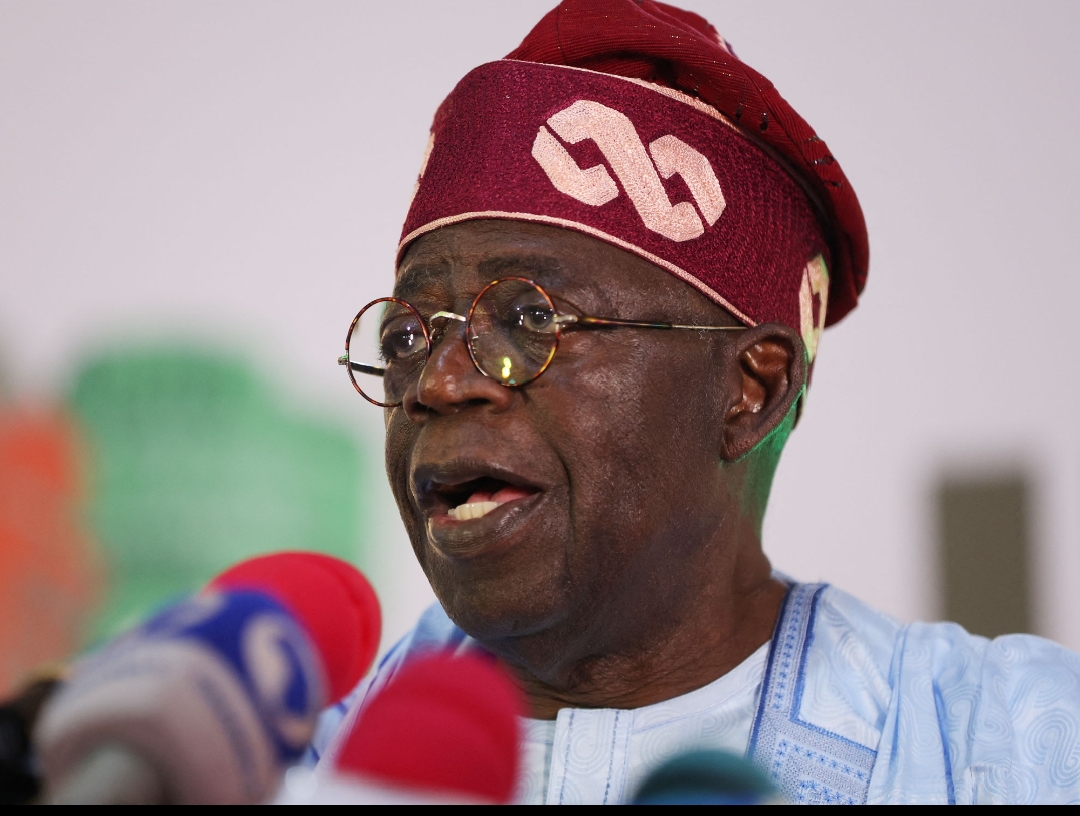
From day one, President Bola Ahmed Tinubu confronted the biggest distortions:
-
Fuel subsidy (₦4 trillion annually) scrapped.
-
Naira float introduced, closing the damaging gap between official and parallel exchange rates.
-
Central Bank reset to orthodox policy, raising interest rates and clearing $7 billion in verified FX backlogs—restoring credibility and prompting IATA to remove Nigeria from its “blocked funds” list.

These bold moves have delivered fast wins:
-
World Bank estimates ₦2 trillion in subsidy savings in 2023, with cumulative savings projected at ₦11 trillion by 2025.
-
Portfolio inflows in late 2024 reached $5.6 billion—more than the previous two years combined.
-
Non-oil tax revenue is up over 20% year-on-year.
-
Headline inflation eased in June 2025 for the second straight month.
Why Stopping Now is Dangerous
Calls to reinstate subsidies, fix the naira at a “stronger” rate, or delay fiscal clean-up echo Bulgaria’s failed playbook. Soft pegs without reserves burn credibility. Partial reforms preserve distortions and arbitrage. Delays only make the eventual reckoning more brutal.
Once investor trust fades, deficits balloon, borrowing costs spike, and choices shrink. The bill always arrives—bigger than if paid early.

Stay the Course
Nigeria is not Bulgaria in 1990. We have the chance to secure stability before crisis forces our hand. That means:
-
Keeping subsidy savings transparent and tied to visible projects.
-
Maintaining predictable FX auctions without back-door fixes.
-
Holding tight monetary policy until inflation is under control.
The IMF’s recent assessment affirms that our direction—if sustained—restores repayment capacity and anchors stability.

The Choice is Clear
Pain now with a recovery in sight, or comfort now with collapse later. Nigeria’s reforms today look more like Bulgaria’s 1997 reset—the one that finally worked—than its failed 1990 drift.
This is the hard road, but it leads upward. If we finish the job, Nigeria will write the modern African recovery story others will study.
The Tiger’s Final Take: Gradualism in a structural crisis is not kindness—it’s negligence in slow motion. Under President Tinubu, Nigeria has chosen courage over comfort, and that choice can change our destiny for good.
- #BulgariaEconomicHistory
- #EconomicGrowth
- #EconomicPolicy
- #FiscalDiscipline
- #ForeignInvestment
- #InflationControl
- #InvestorConfidence
- #Macroeconomy
- #NairaFloat
- #NigeriaEconomy
- #NigeriaRecovery
- #PolicyLessons
- #RenewedHope
- #StructuralReforms
- #SubsidyRemoval
- #TinubuReforms
- APC
- BAYO ONANUGA
- EFCC
- NIGERIA
- PRESIDENT BOLA AHMED TINUBU







Leave a comment