



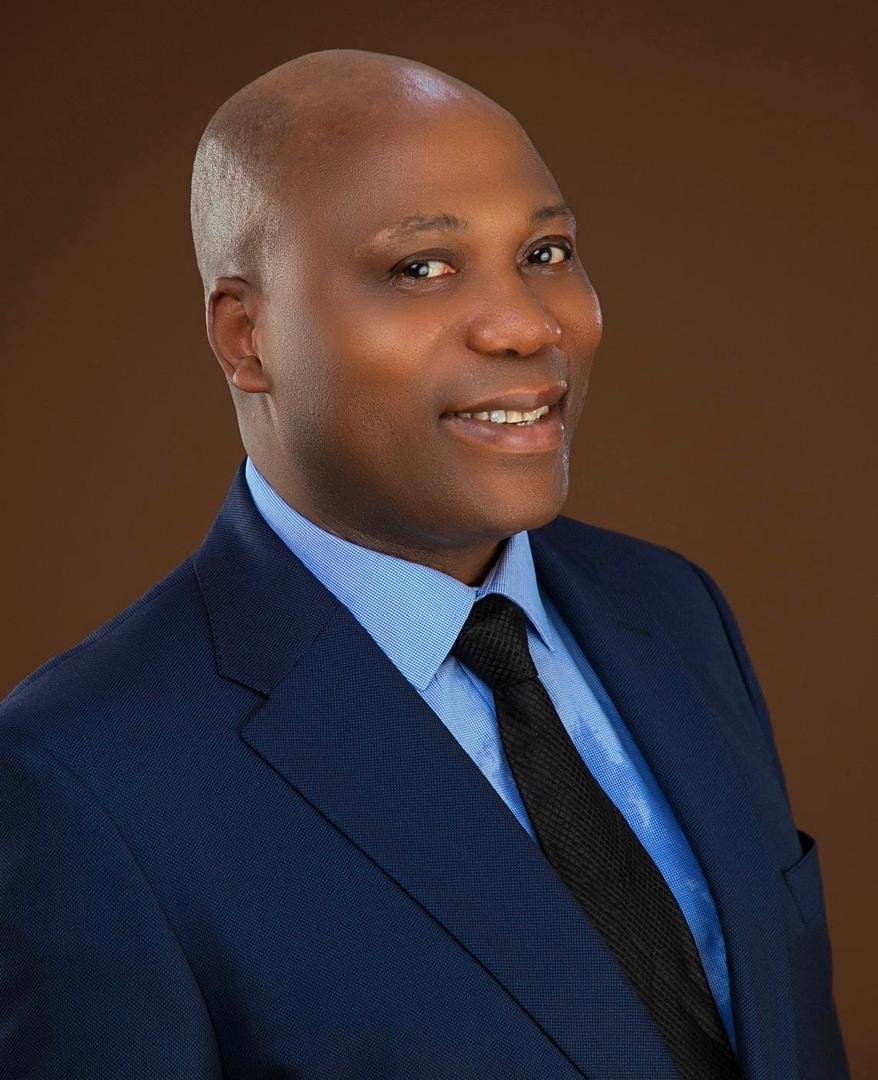
When the UK Conservative Party recently reached out to Dele Okenla, urging him to rejoin the party he once helped to electoral victory, many expected him to consider a return to the familiar terrain of Westminster politics. But Okenla’s answer was emphatic: No.
For him, the future is no longer in London’s political corridors, but in the heart of his homeland, Nigeria.
In a statement dated 13 September 2025, Okenla explained why he turned down the invitation. “My focus is solely on Nigeria. My country Nigeria needs me and all of us, its citizens, more than anywhere else in the world may need us,” he said, adding that his decision was guided by a renewed determination to contribute to Nigeria’s development.

Okenla’s story is one of dual political grounding. In the UK, he played an influential role within the Conservative Party, contributing to electoral victories and grassroots mobilization efforts. His ability to bridge communities and build political consensus earned him recognition as a strategist with vision and tenacity.
“My country Nigeria needs me and all of us, its citizens, more than anywhere else in the world may need us… No turning back.” — Dele Okenla
Yet, despite his rising profile in Britain, his heart remained tied to Nigeria. He often spoke of his desire to see the same level of political accountability, grassroots empowerment, and structural reforms in Nigeria as he had seen firsthand in the UK system.
That desire now fuels his full commitment to the Renewed Hope Agenda of President Bola Ahmed Tinubu. “I need my country Nigeria to be great once again, and I have resolved to dedicate myself to its service and support with all my heart and might,” Okenla affirmed.
It is not a casual declaration. For him, this is about legacy, impact, and a sense of duty. His decision to forgo further influence in UK politics for Nigeria underscores a deeper trend among diaspora Nigerians who are bringing global experience home to confront local challenges.

With this commitment, Okenla has drawn a line in the sand. “No turning back,” he vowed. For many Nigerians, his journey represents a model of sacrifice and conviction — one that shifts the narrative from brain drain to brain gain.
As Nigeria continues to grapple with economic, social, and political hurdles, voices like Okenla’s — shaped by international exposure yet grounded in national loyalty — could become vital to bridging past struggles with future possibilities.



Leave a comment