




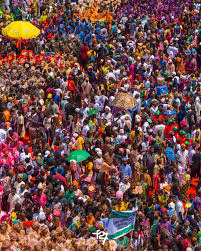
The Oju-Oba Cultural Heritage Festival, held on Sunday, June 8, was widely celebrated as a glamorous, world-class event, drawing millions of attendees and receiving extensive coverage from journalists and bloggers alike.
As a private journalist, I was eager to cover the event for my platform, expand my professional network, and provide readers with comprehensive insights. However, despite its grandeur, the event nearly cost me my life due to inadequate crowd control and safety measures.
I arrived at the venue around 8:00 a.m., having struggled the night before to obtain proper accreditation. Once admitted to the executive hall, I began documenting the event’s vibrant proceedings. True to its reputation, the festival was culturally rich, energetic, and remarkably well-attended.
At approximately 3:30 p.m., the atmosphere changed dramatically. The Aregbe horse riders made their entrance into the pavilion, discharging vibrant yellow and green gunpowder. Unlike earlier displays, this round was louder and more startling. I felt a surge of panic and made the decision to leave the arena for my safety.

Unfamiliar with the venue’s layout and overwhelmed by the swelling crowd, I exited through a gate in front of the palace. When I asked for directions to Ibadan Road, a bystander informed me I should have taken the left path—Etitale Street. Without hesitation, I turned in that direction and joined the crowd moving toward the exit.
As I continued along the route, unsettling scenes unfolded. A man, reportedly thrown from a horse in the Aregbe’s clan, was rushed away by a group attempting to save him. A short while later, a young woman collapsed, prompting cries for water. Despite these disturbing incidents, I pressed forward, eventually removing my heeled shoes to walk barefoot due to mounting discomfort.
Suddenly, the crowd ahead stopped moving. A tense stillness fell over us. Then, without warning, a powerful push surged from behind, triggering a dangerous domino effect. It became a desperate choice: push those in front or fall and risk being trampled.
In a bid to escape the crush, I moved toward a parked vehicle with two men seated on it, hoping to find a brief refuge. Tragically, this decision made things worse. The crowd followed, pressing me against the vehicle with such force that I began to suffocate. Despite witnessing my distress, the men on the vehicle did nothing to help.
As I struggled to breathe, harrowing images of past stampedes—like the one during the palliative distribution in Ibadan involving Princess Naomi and Oriyomi Hamzat, where nine people died—flashed through my mind. I silently prayed that this would not be my fate.
Summoning the last of my strength, I fought my way out. My legs, bruised and painfully compressed, could barely support me. Yet, through sheer willpower, I managed to wade through the chaos and eventually broke free into open space.
The Oju-Oba Cultural Heritage Festival stands as a symbol of cultural pride and excellence. Yet, my near-fatal experience is a sobering reminder of the critical need for effective crowd control and emergency preparedness at mass gatherings. By the grace of God, I survived. But without swift changes in safety protocols, others may not be as fortunate







Leave a comment