


As Nigeria continues to grapple with its evolving federal structure, a concerned citizen has sparked a new conversation that challenges the focus of identity-based politics in the wake of the recently approved Ijebu–Remo state merger.
Speaking at a public gathering in Sagamu, Ogun State, the individual urged Remo people and other stakeholders to go beyond symbolic victories like naming or territorial recognition, and instead advocate for constitutional power rotation—a system that ensures all groups, regardless of ethnic or regional identity, are fairly represented in governance.


 “Rather than fight over names and boundaries, we should be fighting for constitutional rotation in the sharing of governance,” the concerned Nigerian said. “Until power is equitably distributed, we will keep mistaking visibility for inclusion.”
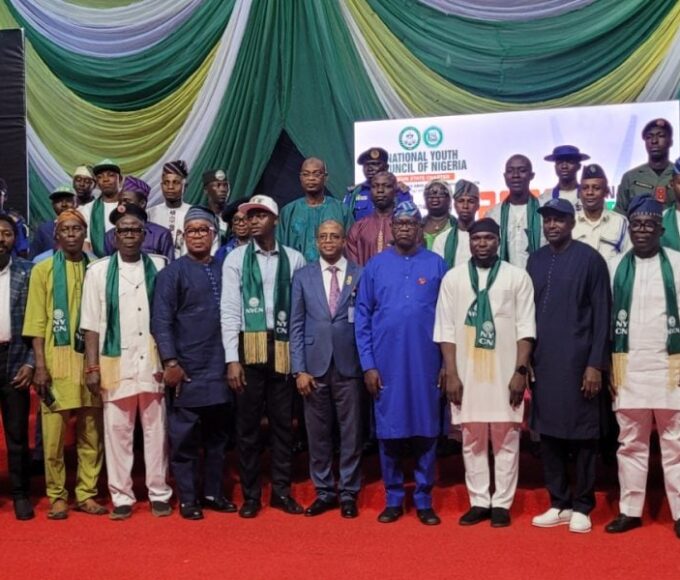
The statement resonated amid a series of speeches delivered during an event attended by political leaders, traditional rulers, and cultural performers. At the heart of the conversation was Senator Otunba Gbenga Daniel, who spoke on the economic strides being quietly pursued under President Bola Ahmed Tinubu’s administration.
Daniel highlighted that the removal of petrol subsidies has already led to an increase in monthly allocations to states—funds that, if well managed, could significantly improve local development outcomes. He also expressed optimism about the tax reform initiatives expected to take effect next year, which are projected to expand state revenues and ease fiscal pressure.
“President Tinubu is embarking on quiet revolutions that aim to ensure stability, good governance, and shared prosperity,” Senator Daniel remarked. “Nigerians must support this process so we can build a country where every citizen has a stake.”
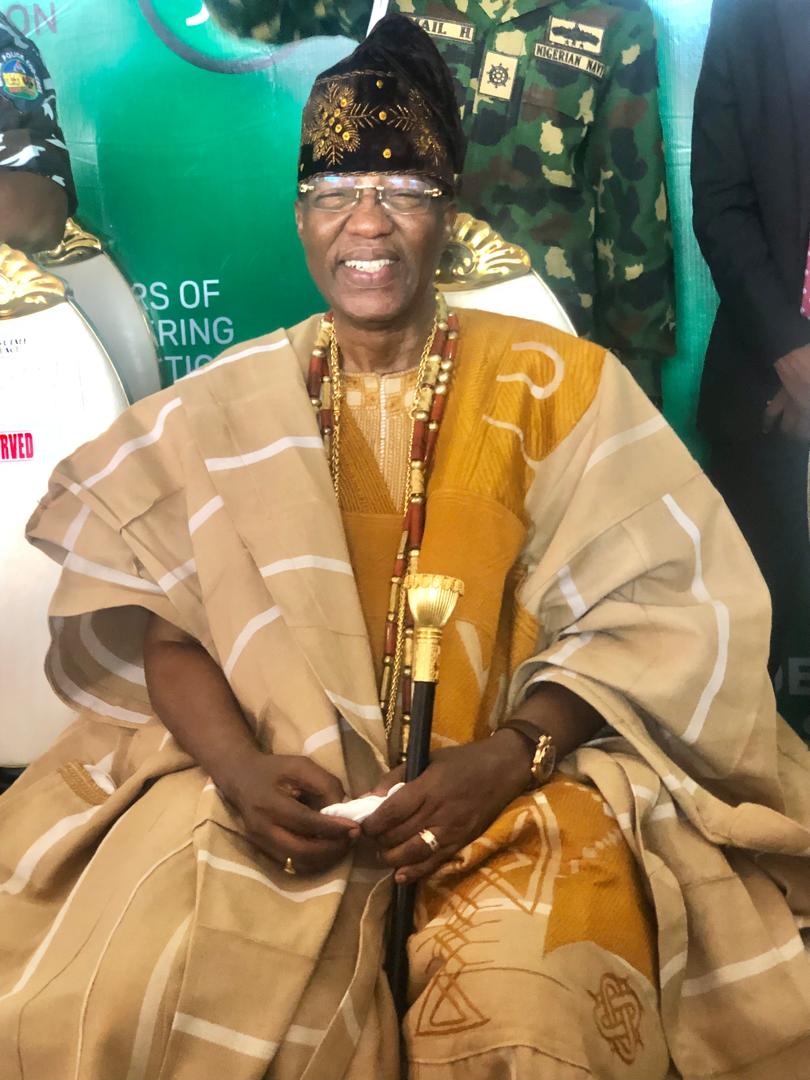
Adding nuance to the ongoing debate, Oba Babatunde Ajayi, the Akarigbo and paramount ruler of Remo land, emphasized that Remo people are not opposed to their Ijebu counterparts in the quest for state identity. Instead, he maintained that the merger must not come at the expense of Remo cultural and political identity.
“What we are saying is simple—we should not be trampled upon. Any new state structure must reflect our unique identity,” the monarch said, while praising Senator Daniel for maintaining transparency in his approach.
Beyond the Merger: A National Conversation Emerges
For many observers, the remarks by the concerned citizen represent a broader philosophical pivot. While territorial recognition has long been a rallying point for underrepresented groups, critics say that it often overshadows more fundamental governance issues—such as representation, accountability, and rotation of power across all zones and communities.
“Let’s not lose the plot,” said civil society advocate Afolabi Oladeji. “Inclusion isn’t just about your town’s name being on a map. It’s about who holds the keys to power and whether that power rotates fairly across the federation.”
The sentiment comes at a time when many Nigerians are questioning the effectiveness of reforms and asking whether rising state allocations and upcoming tax systems will translate into tangible improvements in lives—particularly in the wake of economic hardship following fuel subsidy removal.
Cultural Resonance and Civic Engagement
Capping off the event was a lively music festival aimed at fostering unity through worship and artistic expression. The Singinspiration Chorale from Onitsha, Anambra State, emerged as winner of the ₦5 million grand prize. Messiah Chorale from Ile Ife, Osun State, took second place, while De Emerald Chorale from Akure, Ondo State, came third.
Ondo State Governor Lucky Aiyedatiwa, represented by his deputy, Dr. Olaide Adelani, attended as special guest of honour, commending Senator Daniel for his enduring role in promoting cultural cohesion and national dialogue.
Editor’s Note:
As debates around state restructuring, cultural identity, and economic reform continue, one truth remains: Nigeria’s unity will depend not on what is named, but on who is included. From Sagamu to Sokoto, citizens are waking up to the need for a new governance contract—one that goes beyond geography and ethnicity to ensure justice, fairness, and shared power for all.
Have thoughts on the Remo–Ijebu merger or ideas for promoting fairer governance? Share your views with us @sagebitsonline.com.ng






Leave a comment