



Tinubu’s state visit to Brasília could unlock new opportunities in trade, food security, and South–South cooperation.
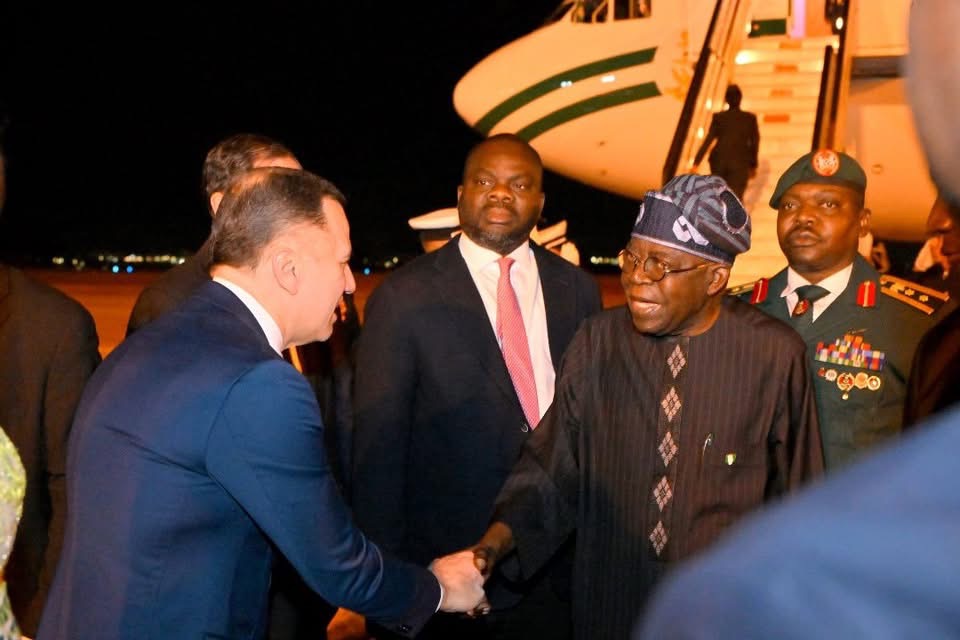
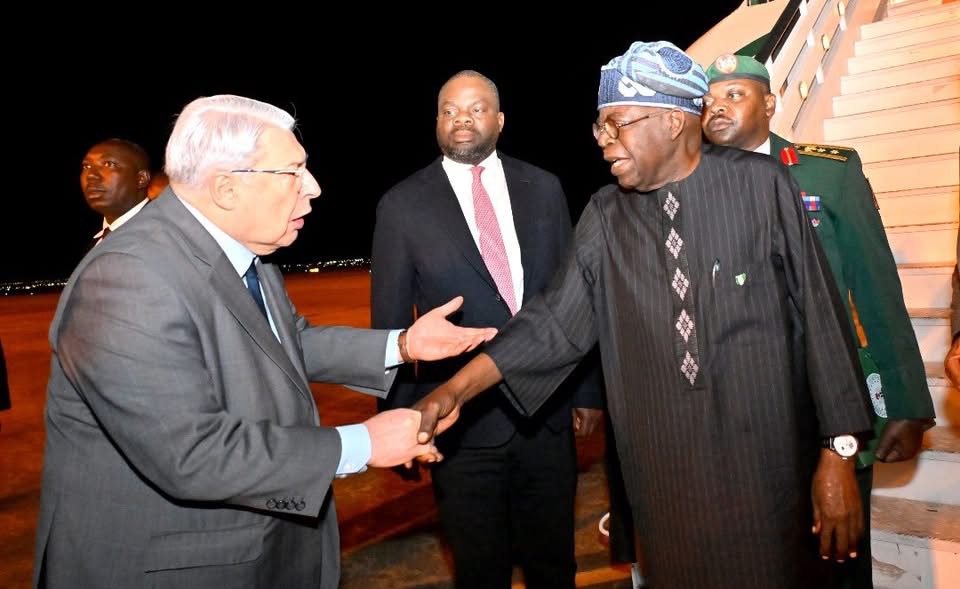
President Bola Tinubu arrived in Brasília on Monday for a two-day state visit that could redefine Nigeria’s relations with Brazil and strengthen ties between two of the Global South’s biggest players.
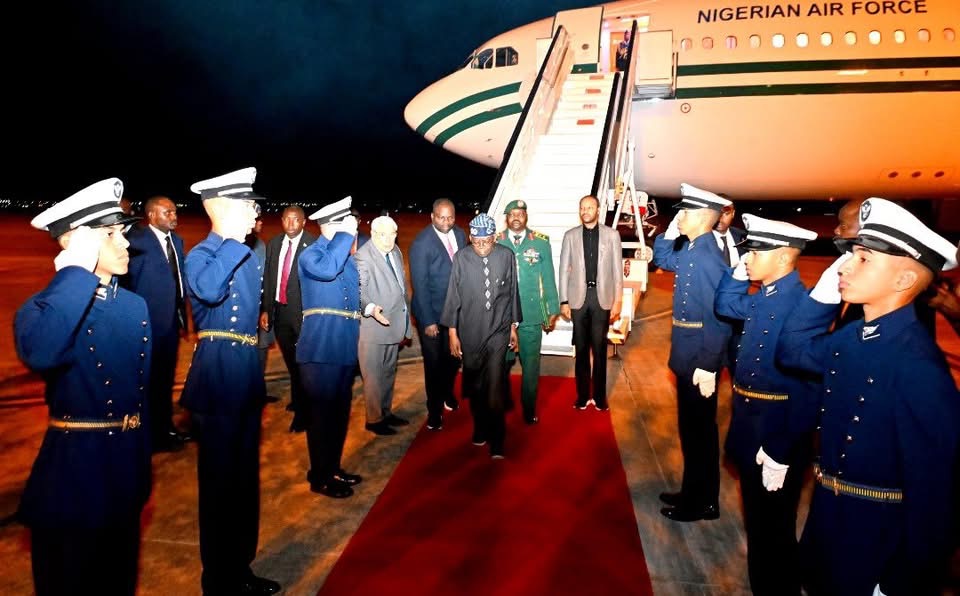
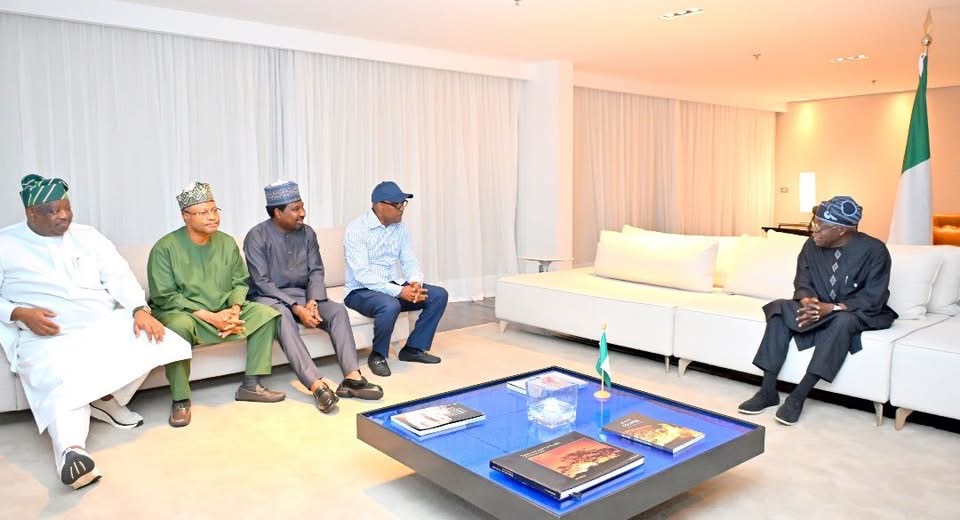
Welcomed at the Brasília Air Base by senior Brazilian officials — including Ambassador Carlos Sérgio Sobral Duarte, Secretary for Africa and the Middle East, and Brazil’s Ambassador to Nigeria, Carlos José Areias Moreno Garcete — the Nigerian leader was joined by his Minister of State for Foreign Affairs, Bianca Ojukwu, alongside ministers, agency heads, and business leaders.

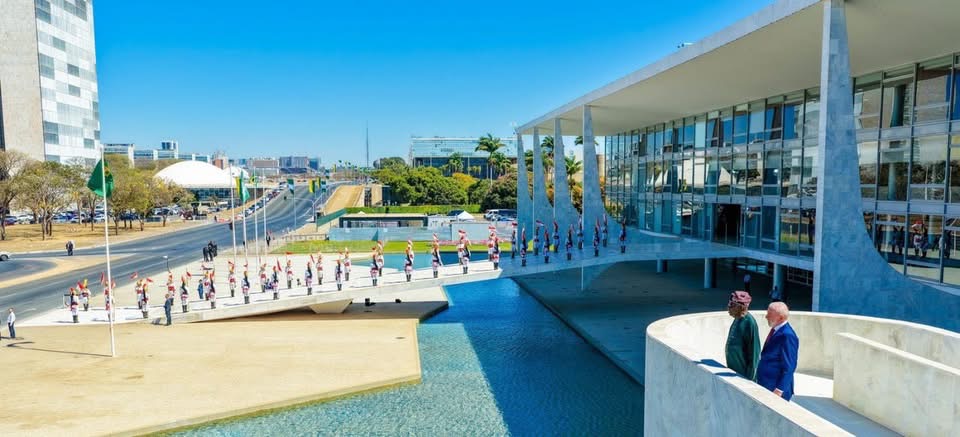
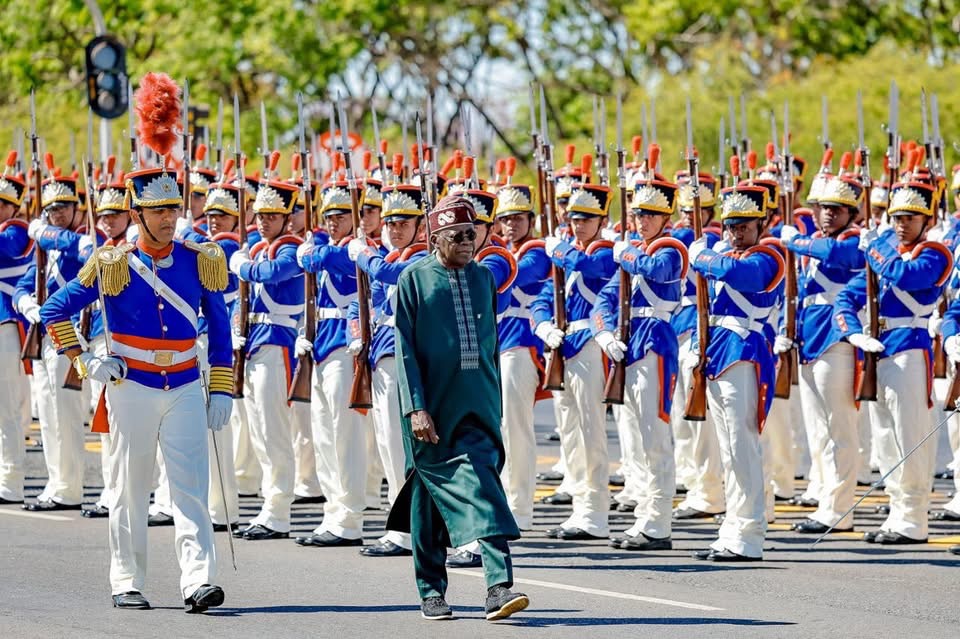
Later today, Tinubu will be honoured with a full military welcome at the Planalto Palace before holding talks with his host, President Luiz Inácio Lula da Silva. Both leaders are expected to witness the signing of new Memoranda of Understanding (MoUs) covering defence, agriculture, energy, and trade. The visit will also see Tinubu meet with Brazil’s Senate President, the Speaker of the Chamber of Deputies, and the President of the Supreme Federal Court, in addition to headlining the Nigeria-Brazil Business Forum.
But beyond the ceremonies, this trip has sparked renewed debate about why Nigeria and Brazil must work more closely together.
Natural Partners Across the Atlantic
“Brazil is Latin America’s largest economy and a global agricultural powerhouse. Nigeria is one of Africa’s largest economies with vast arable land and a young, dynamic population. Both are leaders of the Global South with converging aspirations in South–South cooperation. Together, we face common challenges — and opportunities,” noted one commentary that has trended across Nigerian and Brazilian media in the past 12 hours.

Analysts argue the timing could not be better. Dr. Ifeanyi Obichukwu, an international relations scholar at the University of Lagos, told SageBits Online:
“Nigeria needs partners who understand its development realities, not just donors with conditions. Brazil is uniquely positioned because it has walked a similar path — transforming from a developing country to a global agricultural leader. That experience is invaluable for Nigeria.
”Similarly, Brazilian policy expert Mariana Torres of the Fundação Getulio Vargas in São Paulo highlighted the cultural and historical connection:
“Brazil has the largest population of African descent outside Africa. Strengthening ties with Nigeria is not just strategic, it’s cultural. It deepens a relationship rooted in shared history and people-to-people connections.”
Building on History
Diplomatic ties between both countries stretch back more than six decades. Brazil was the only Latin American country present at Nigeria’s independence celebrations in 1960, and Nigeria established its embassy in Brasília in 1966. Since then, cooperation has grown steadily.
Recent years have seen a revival. In June 2025, Nigeria and Brazil held the Second Session of the Mechanism for Strategic Dialogue in Abuja, resulting in seven fresh agreements spanning energy, tourism, livestock development, audio-visual co-production, and counternarcotics. The Dialogue, co-chaired by the Vice Presidents of both nations, is designed to ensure sustained collaboration.
Brazil has also become a key partner in Nigeria’s food security programme. A $2.5 billion JBS investment signed during the 2024 G20 Summit is aimed at strengthening sustainable supply chains, while the $1.1 billion Green Imperative Programme, launched in 2019, is delivering tractors and farm equipment for local assembly in Nigeria.
A Shared Future
For many analysts, Tinubu’s visit is not just about bilateral agreements but about positioning Nigeria and Brazil as co-leaders of the Global South. Both countries are members of BRICS-related dialogues and share a vision of a fairer international order where emerging economies play a stronger role.
Dr. Ana Paula Medeiros, a trade economist in Brasília, put it this way:
“South–South cooperation has often been more rhetoric than reality. If Nigeria and Brazil can move beyond agreements on paper and focus on implementation, they can set a powerful precedent for how emerging economies collaborate.”
If Nigeria and Brazil succeed in deepening ties across trade, agriculture, defence, and education, they could set an example of South–South cooperation that goes beyond symbolism. The challenge now is to turn goodwill into measurable progress — one that delivers jobs, food security, and sustainable growth for millions on both sides of the Atlantic.
📌 Key Facts: Nigeria–Brazil Relations
1960 – Brazil was the only Latin American country at Nigeria’s independence celebrations.
1966 – Nigeria established its embassy in Brasília.
2013 – Both nations signed an MoU to create the Mechanism for Strategic Dialogue.
2024 – Nigeria secured a $2.5 billion JBS investment in food security at the G20 Summit in Brazil.
2025 – The Second Session of the Dialogue in Abuja produced seven new MoUs in defence, energy, and agriculture.
Agriculture Focus – The $1.1 billion Green Imperative Programme is set to deliver 10,000 tractors and 50,000 farm equipment units for assembly in Nigeria.
Cultural Link – Brazil has the world’s largest Afro-descendant population outside Africa, deepening people-to-people ties with Nigeria.






Leave a comment